Our dry summers and short, heavy winters are hard on roofs. Sun and heat dry out sealants for months. Then an atmospheric river arrives and finds every weak spot at once.
This page explains what a maintenance visit covers, what signs to look for, and how to time it. If water is already coming through your ceiling, skip ahead to the urgent section below. Callers with leaks and callers who want planned upkeep are connected through the same number.
What does roof maintenance include for a Chatsworth home?
A maintenance visit is a hands-on check and cleanup of the whole roof surface and its drainage. The goal is to find small problems while they are cheap and easy to fix. The exact work depends on your roof type and what the pro finds.
Most visits start with a walk-through or a close look from a ladder or drone, then a cleanup, then small repairs. The pro should tell you what they found and what they recommend. Ask for photos so you can see the same things they saw.
- Removing leaves, ash, dust and wind-blown debris from the roof, valleys and gutters
- Clearing gutters and downspouts so water can leave the roof
- Checking roof flashing, pipe boots, roof vents, skylights and chimney joints
- Resealing small gaps with sealant and roof cement where needed
- Looking for slipped, cracked or missing tile and lifted shingles
- Checking rooftop solar mounts and rooftop equipment for dried seals
- Looking for ponding water on flat and low-slope sections
- Noting wear on underlayment, coatings and edges that may need larger work
Why do roofs in Chatsworth need maintenance before the rainy season?
Roofs here age quietly during long dry spells, so problems stay hidden until it rains. Summer heat and UV break down sealants, flashing mastic and shingle granules. Nothing drips, so nobody notices.
Rain is infrequent, so when it comes it is often heavy. Water pushes into cracked flashing, dried sealant and worn underlayment all at once. Many homeowners first learn about a weak spot as an active ceiling drip during a storm, when roofers are the busiest.
A fall check shifts that timing in your favor. You find the problem on a calm, dry day and schedule the fix on your terms.
Dealing with this in Chatsworth right now? Call and get connected with an independent local pro.
Get Help Now: (626) 828-0169How do wildfire ash and Santa Ana winds affect your roof?
Both leave debris that blocks water, and wind can also move your roofing. Wildfire smoke and ash from the nearby foothills settle on roofs and wash into gutters and valleys. When it mixes with rain, it can turn into a paste that clogs drains.
Santa Ana winds can lift or slide tiles and shingles. They also blow branches, leaves and trash onto the roof. A single slipped tile may look minor from the ground but can let water reach the underlayment.
After a big wind or ash event, a quick cleanup and check is worth doing even if you see no leak. Homes near the Santa Susana Mountains and the Simi Hills tend to see more runoff and debris.
What does a pro do during a roof cleaning and sealing visit?
The pro works from the top of the roof down to the drains, so debris ends up where it can be removed. The steps below are typical. Your provider may do them in a slightly different order.
Step 1: Inspect and photograph
The pro looks over the roof surface, edges, penetrations and drainage. Some use a moisture meter or infrared thermal imaging to spot damp areas you cannot see. Ask what tools will be used.
Step 2: Clear debris and ash
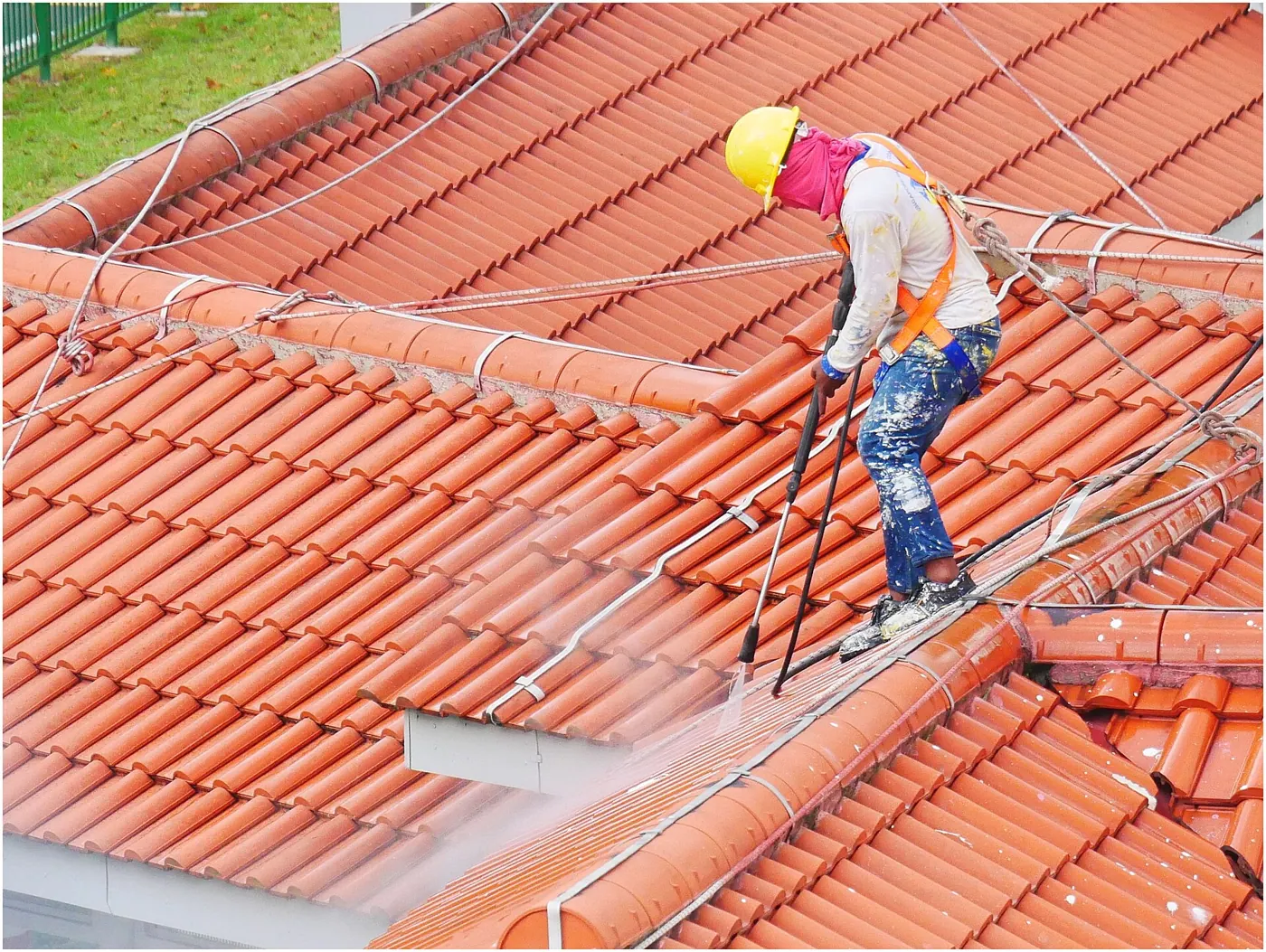
Loose debris is removed by hand, soft brush or low-pressure methods. Valleys, gutters and downspouts get special attention because they carry the most water. High-pressure washing can damage tile and shingles, so ask how the pro plans to clean.
Step 3: Reseal and make small repairs
Dried sealant around pipe boots, vents and flashing is cleaned out and redone. Cracked or slipped tiles may be reset or replaced. On flat roofs, small seams and low spots may be patched.
Step 4: Review and recommend
You should get a plain summary of what was done and what is left. Bigger issues may call for a full roof inspection, a coating or a replacement. Ask for the recommendations in writing.
How does maintenance differ by roof type in Chatsworth?
Each roof type ages in its own way, so the checklist changes. Many homes here were built from the 1950s through the 1980s, and older roofs are often past their expected service life. Knowing your roof type helps you ask better questions.
Concrete and clay tile
Tile itself lasts a long time, but the underlayment below it wears out first. Maintenance focuses on slipped or cracked tiles, valley flashing and debris. If you already see signs of trouble, see our page on tile roof leak repair. Walking on tile can crack it, so let a pro do it.
Composition shingle
Shingles lose granules in the sun and can curl or lift in the wind. Look for bare patches, curled edges and granules in the gutters. Sealing and replacing a few shingles can extend the life of a roof that is still sound.
Flat and low-slope roofs
Patios, additions and low-slope sections often use modified bitumen, built-up, torch-down or foam roofing. These need drains kept clear and ponding water watched. A cool roof coating can protect the surface and help with heat, when the roof is a good candidate.
What signs mean your roof needs attention now?
Some signs are small and some mean you should call soon. Check your roof from the ground and your ceilings from inside. Do not climb up to look, especially when it is wet.
The list below covers the common warning signs. One of them alone does not always mean a big problem, but it is worth a call.
- Loose, cracked or missing tiles or shingles you can see from the yard
- Gutters packed with granules, ash or debris
- Water stains or a ceiling water stain that grows after rain
- A musty smell in the attic or signs of mold
- Sagging or soft spots on a flat roof, or water that stays after rain
- Dried, cracked or peeling sealant around vents, skylights and chimneys
- Daylight showing in the attic or damp attic insulation
- Rust, loose screws or gaps near rooftop solar mounts
When is a roof problem urgent instead of routine?
If water is coming in, it is no longer maintenance. Active leaks, sagging ceilings and fresh storm damage need fast help. Move valuables, set out a bucket, and call the number on this page.
If you see dripping near a light fixture or outlet, turn off the power to that area. Do not climb a wet roof. A temporary tarp may help until the weather clears; see our pages on emergency roof tarping and storm damage roof leak repair.
For leaks at any hour, our after-hours roof leak help page explains how it works. For the full picture, visit our home page on a emergency roof leak repair pro in Chatsworth.
How often should you schedule roof maintenance in Chatsworth?
Once a year is a good rule, ideally in early fall before the first storm. Add a check after any major wind, ash or heavy rain event. Older roofs and roofs with many penetrations may benefit from a second look in spring.
Gutters and downspouts may need more frequent cleaning if you have trees nearby. Our page on gutter repair and installation covers drainage problems in more depth. If your roof is near the end of its life, a pro may suggest a roof replacement instead of more patching.
What affects the scope of a maintenance visit?
The size, shape and condition of the roof matter most. A single-story ranch with easy access is usually simpler than a steep hillside roof. Steeper or harder-to-reach roofs can take more time and extra safety gear.
Other factors include how much debris has built up, how many penetrations you have, and how many small repairs turn up. Rooftop solar and equipment can add extra checking. Ask the provider to explain what is included before work starts, and request an estimate in writing.
What should you ask a provider before booking?
Ask direct questions so you know who is on your roof. We connect you with independent providers and cannot verify their credentials for you. Confirm details yourself before you agree to work.
Roofing work in California generally calls for a CSLB contractor license, often the C-39 roofing classification. In the City of LA, larger repairs and re-roofing may involve LADBS rules, Title 24 energy and cool-roof requirements and fire-rated roof coverings such as Class A. Ask whether the work you need touches any of these.
- Do you hold a state license for this work? Can I check it with CSLB?
- Do you carry liability and workers' comp insurance?
- What will you clean, check and seal, and what is not included?
- How will you clean my tile or shingles without damaging them?
- Will you send photos and a written summary?
- Is any permit or code requirement likely for this work?
Does roof maintenance help with insurance and long-term costs?
Regular upkeep can help you catch damage early and keep records. If a storm does cause a loss, photos and written notes from earlier visits can help show the roof's condition. Check your policy and talk to your insurer about what is covered, since many policies treat wear differently from sudden storm damage.
Keeping drains clear and seals fresh also protects decking, plywood sheathing and attic insulation from water. That helps avoid larger repairs later. Callers from nearby areas, such as Porter Ranch, can use the same number.
Frequently asked questions
When is the best time for roof maintenance in Chatsworth?
Early fall, before the first storms of the wet season, is the best time. This gives the pro time to clear ash and debris and fix small seal problems. Also schedule a check after strong Santa Ana winds or heavy rain.
Can I clean my roof myself?
You can clear gutters from a safe ladder position, but the roof surface is risky. Tile can crack under your weight, and wet or steep roofs are dangerous. Let an independent pro handle the roof itself.
Is pressure washing good for a tile or shingle roof?
Not always. High pressure can break tile, strip shingle granules and push water under the roof covering. Ask the provider what cleaning method they plan to use and why.
How do I know if I need maintenance or a repair?
If you see no active leak and only debris or aging seals, maintenance is likely enough. If you have a ceiling stain, drip or damp attic, you likely need a repair. A pro can tell you after looking at the roof.
Does the same number handle both planned work and emergencies?
Yes. Call the number on this page for planned upkeep or for an active leak. Tell the person what you see, and they will help connect you with an independent local provider.
Will maintenance stop all leaks?
No. It lowers the risk by clearing drains and renewing seals, but it cannot fix a roof that is worn out. If your roof is near the end of its life, the pro may suggest larger repairs or replacement.